Gofu Commercial Building, Maisara – Ground Improvement Works
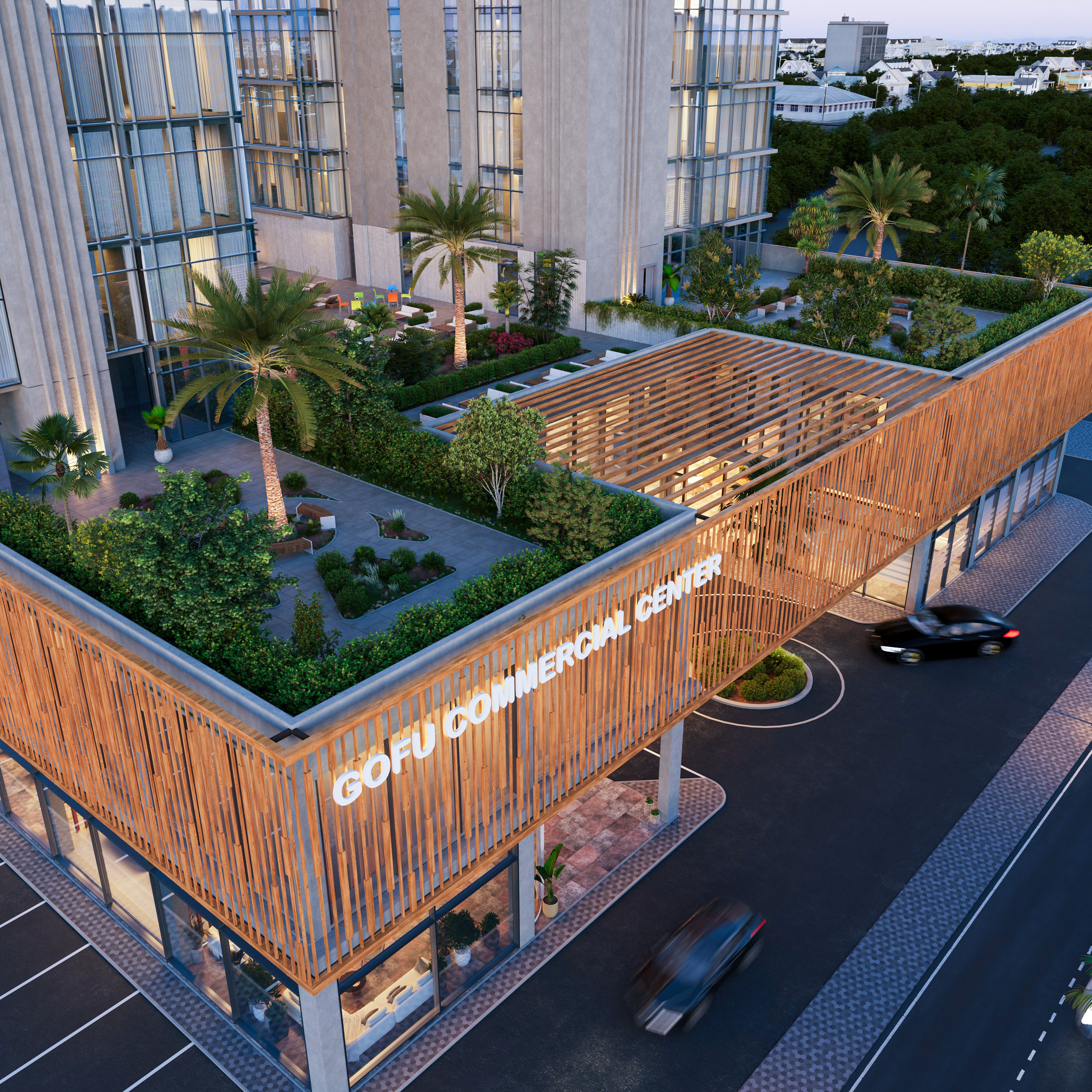

Strengthening the Foundation of a Major Commercial Development in Zanzibar. The Gofu Commercial Building in Maisara, Unguja, Zanzibar is a proposed mixed-use reinforced concrete development designed to serve modern commercial needs while responding carefully to the site's ground conditions. The project includes specialist soil improvement works using probing and pressure grouting to investigate, treat, and strengthen weak zones and potential cavities beneath the proposed raft foundation.
Project Overview
Located in the Maisara district of Unguja, the Gofu Commercial Building project reflects a disciplined approach to construction planning, ground risk management, and foundation performance. Before foundation works, technical assessments identified potential weak zones, cavities, and discontinuities within the underlying coralline limestone formation. These conditions required a carefully planned ground improvement solution to support the proposed reinforced concrete structure.
To address these subsurface challenges, the proposed solution applies a probing and pressure grouting system. The process is designed to locate underground voids, fill cavities with low-mobility cementitious grout, improve the continuity of the rock mass, and create a more stable bearing medium beneath the raft foundation.
The works combine geotechnical investigation review, controlled drilling, staged grout injection, quality monitoring, and numerical performance assessment, ensuring the project is designed around both the visible structure and the integrity of the ground supporting it.
Project Challenge
The site is underlain by coralline limestone that includes highly weathered, cavernous, and weak zones. In such ground conditions, foundation performance can be affected by hidden voids, discontinuities, drilling losses, and non-uniform support beneath the structure. A standard foundation approach without ground treatment could increase the risk of differential settlement and uneven load transfer.
The challenge is to prepare the ground in a controlled, measurable, and technically verified manner before the raft foundation is constructed, reducing subsurface uncertainty and supporting long-term structural stability.
Engineering Solution
The proposed solution uses probing and pressure grouting, a two-stage ground improvement method suitable for sites with cavities, weak zones, and discontinuities within rock formations.
Probing
Small-diameter boreholes are drilled across the raft foundation footprint to identify cavities, voids, weak zones, and areas of drilling fluid loss.
Monitoring
During drilling, penetration speed and ground response are recorded to detect changes in resistance and identify abnormal subsurface conditions.
Pressure Grouting
Detected cavities and weak zones are treated using low-mobility cementitious grout injected under controlled pressure.
Ground Improvement
The grout fills voids and strengthens discontinuities, improving the continuity and stiffness of the founding strata.
Verification
Field records, testing, monitoring, and post-grouting verification support quality control and confirm the improved ground meets required performance criteria.
Technical Highlights
4 m × 4 m within the raft foundation area
154 holes
Minimum 89 mm
10 m below raft foundation level
Low-mobility cementitious grout with approved expanding/plasticizing admixture
Not less than 3.0 MPa
Approximately 1,500 m³
0.5 m crushed stone replacement layer under the raft
300 kPa
46 mm, within the 60 mm allowable limit
Why This Matters
Ground improvement is a critical part of the Gofu Commercial Building project because it addresses risks that cannot be managed by the visible structure alone. By treating cavities and weak zones before foundation construction, the project improves the reliability of the foundation system and reduces the potential for excessive or uneven settlement.
This approach demonstrates responsible engineering: understanding the site, designing for actual ground conditions, and applying proven methods to create a safer and more dependable construction platform.
Project Outcome
Upon completion of the proposed probing and pressure grouting works, the foundation zone is expected to provide improved ground continuity, enhanced bearing performance, and reduced settlement risk beneath the proposed raft foundation. The engineering assessment indicates that the improved ground condition is designed to keep predicted settlement within the allowable project limits.
The Gofu Commercial Building project highlights the importance of combining construction expertise with detailed geotechnical understanding. Through planned soil improvement works, controlled quality procedures, and engineering verification, the project is positioned to move forward on a stronger, more reliable foundation.
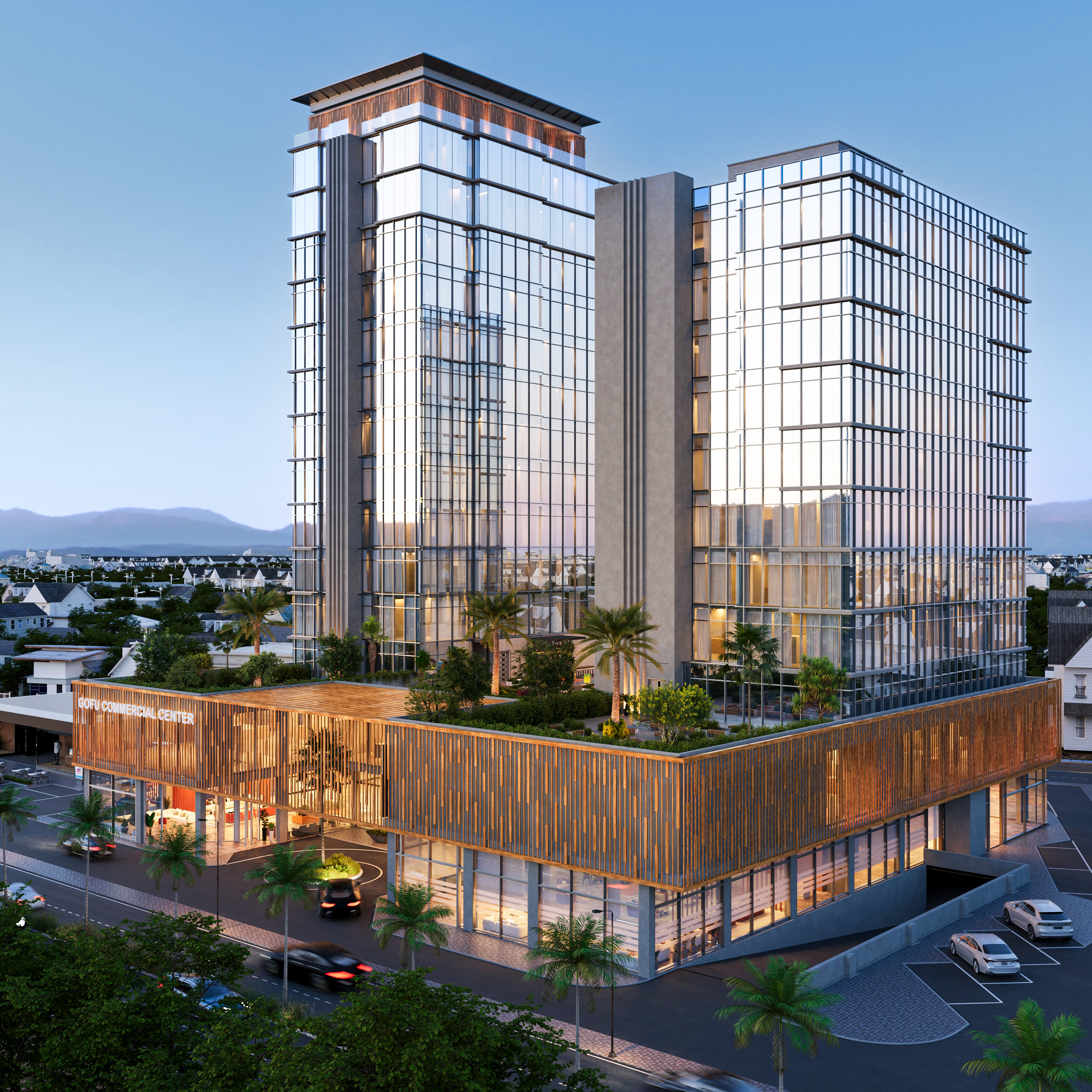
Project Concept
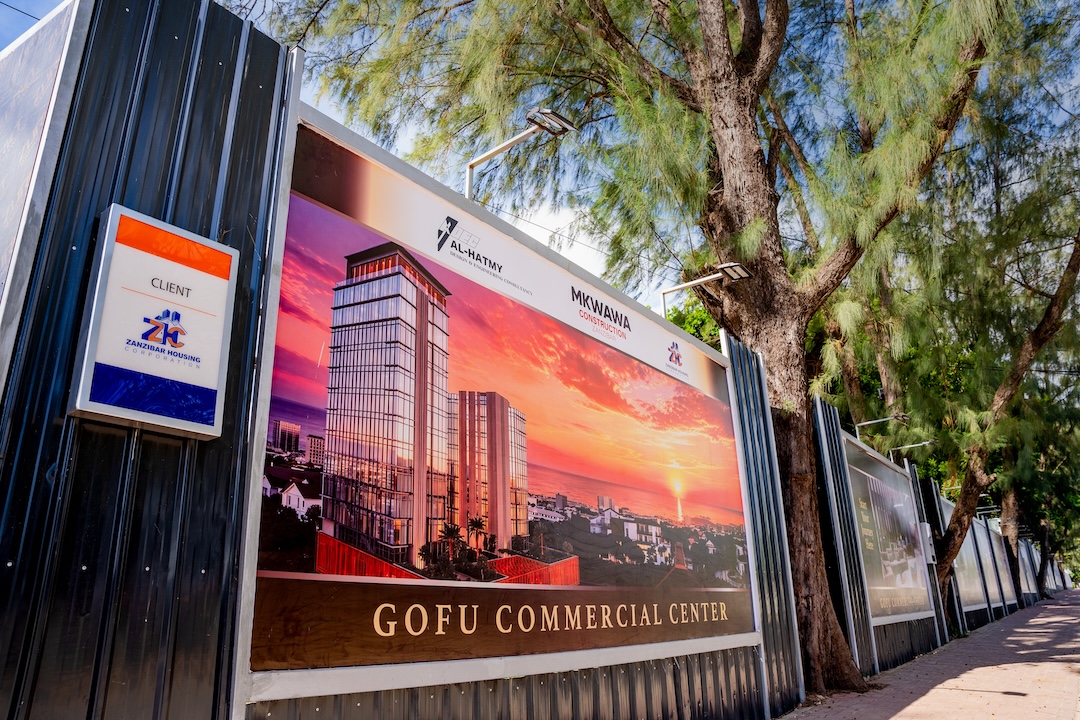
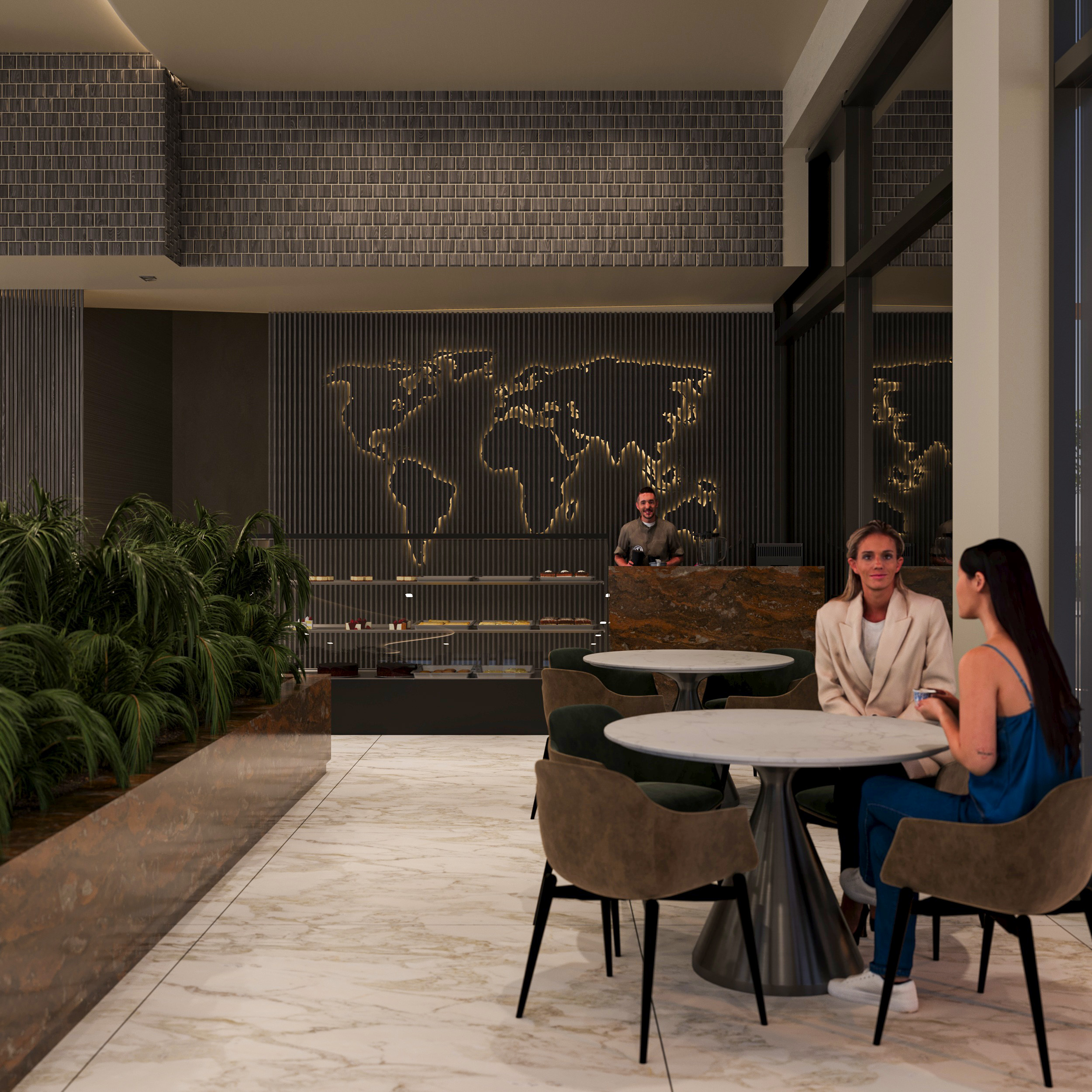
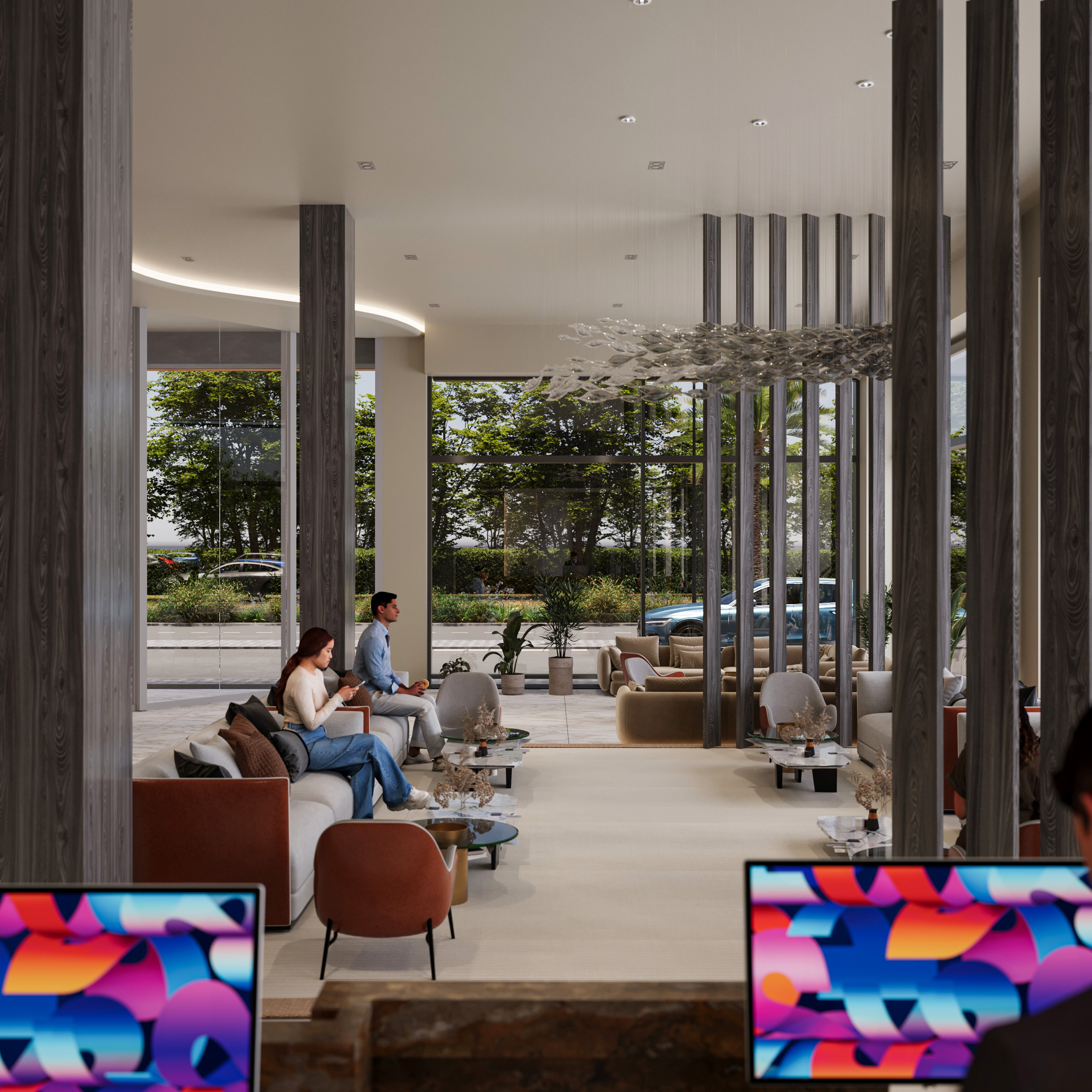
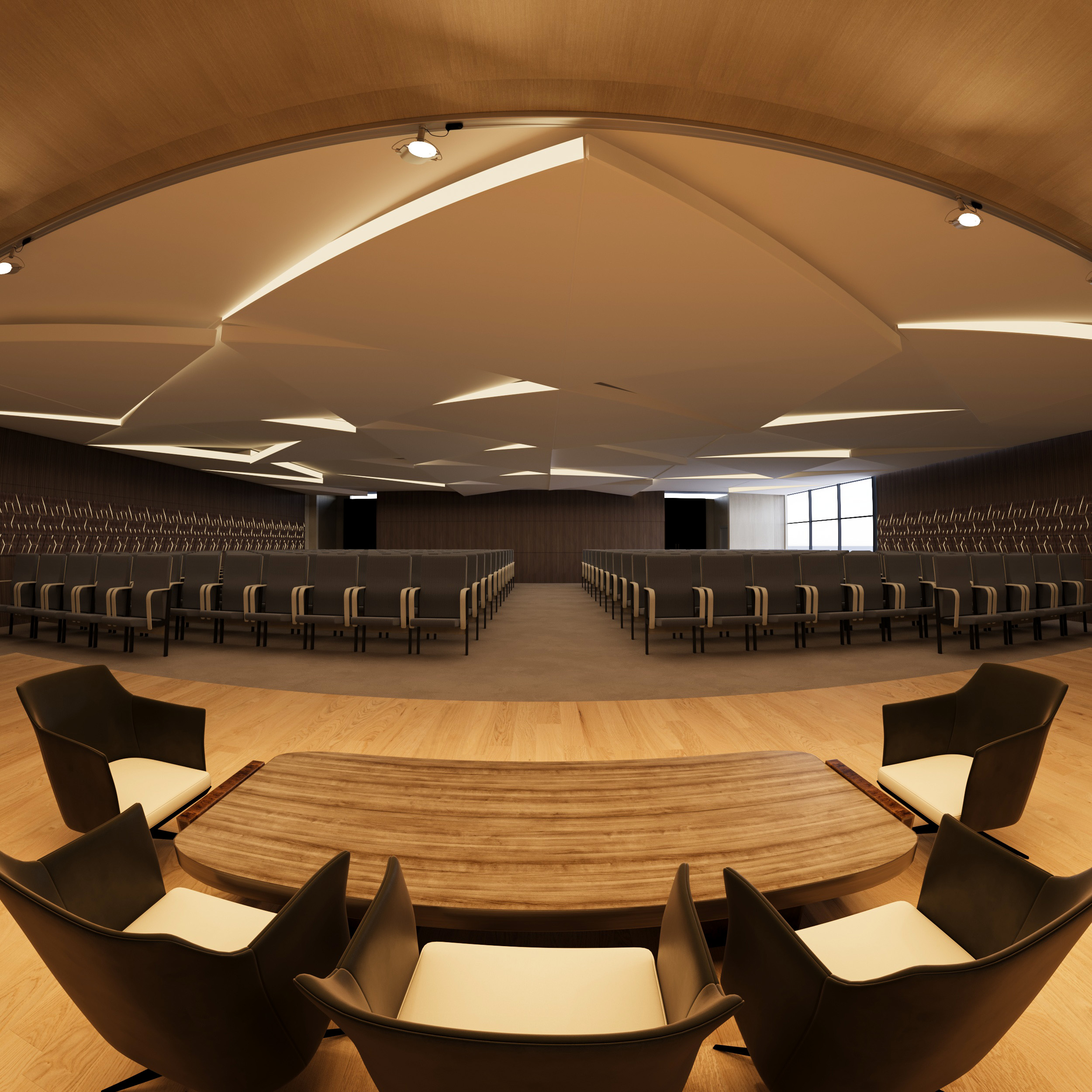
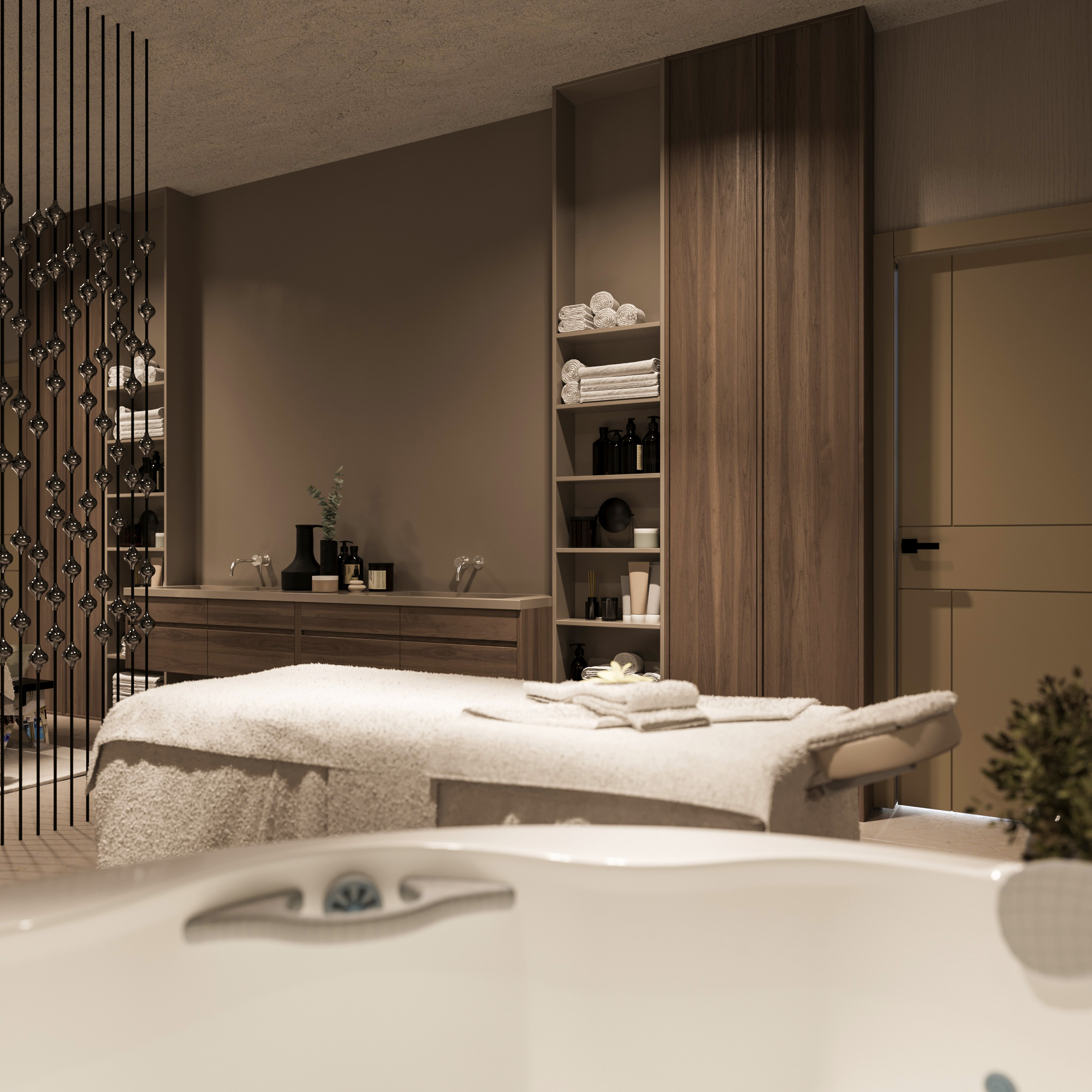
Visualizations of the expected finished project.


Site Gallery
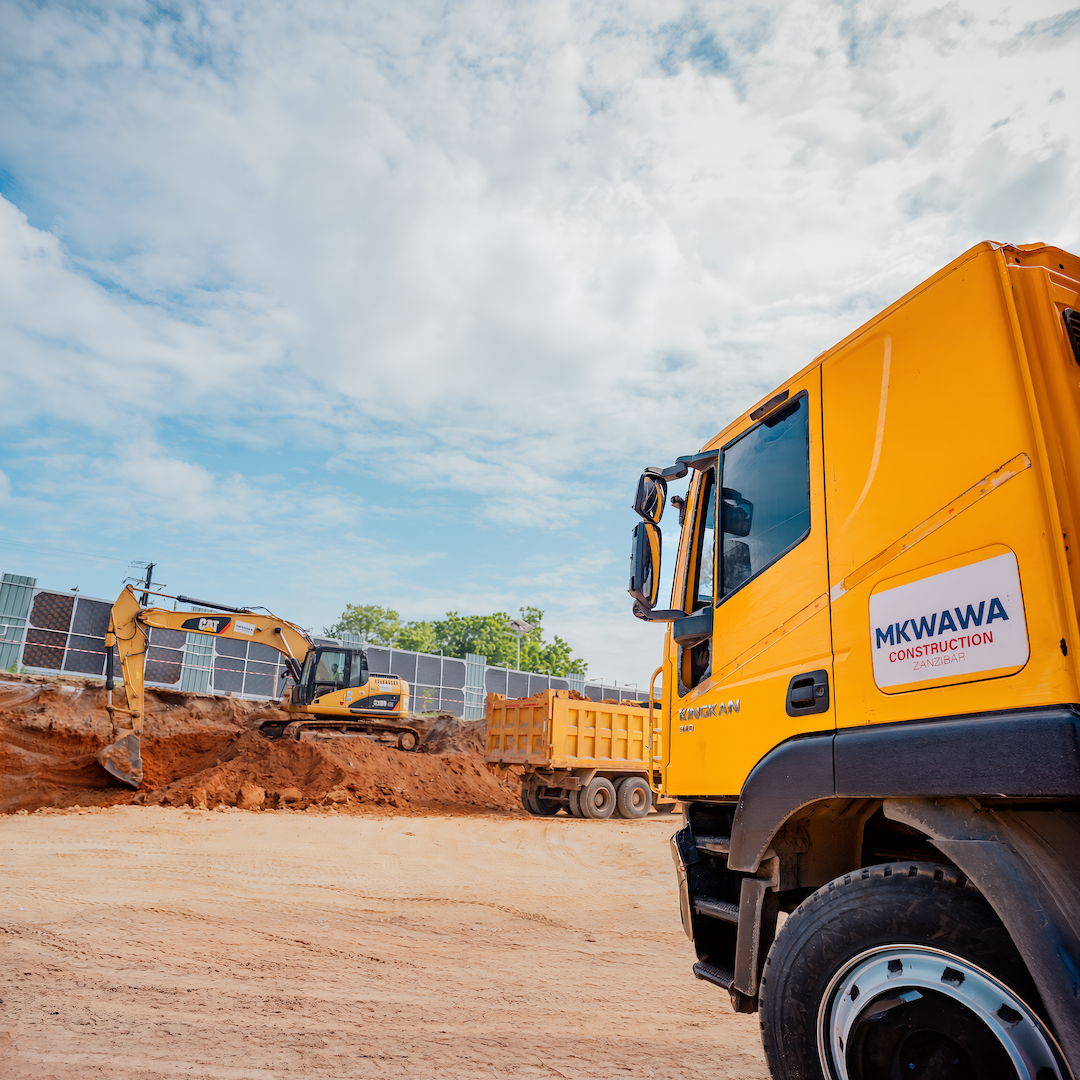
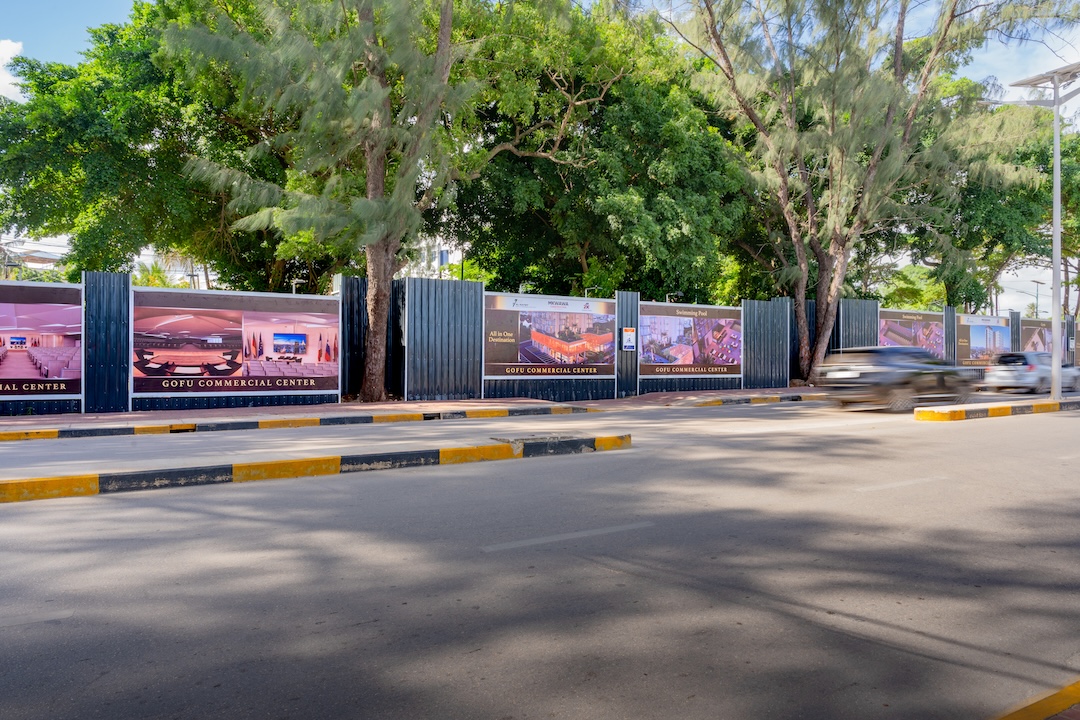
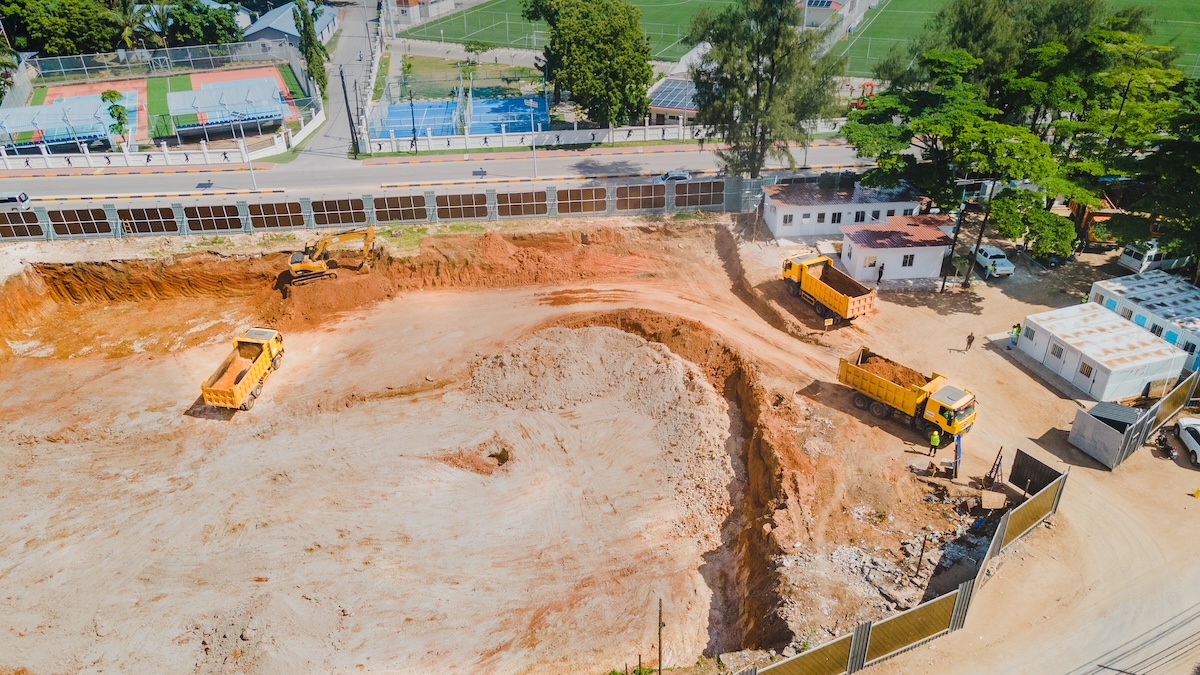
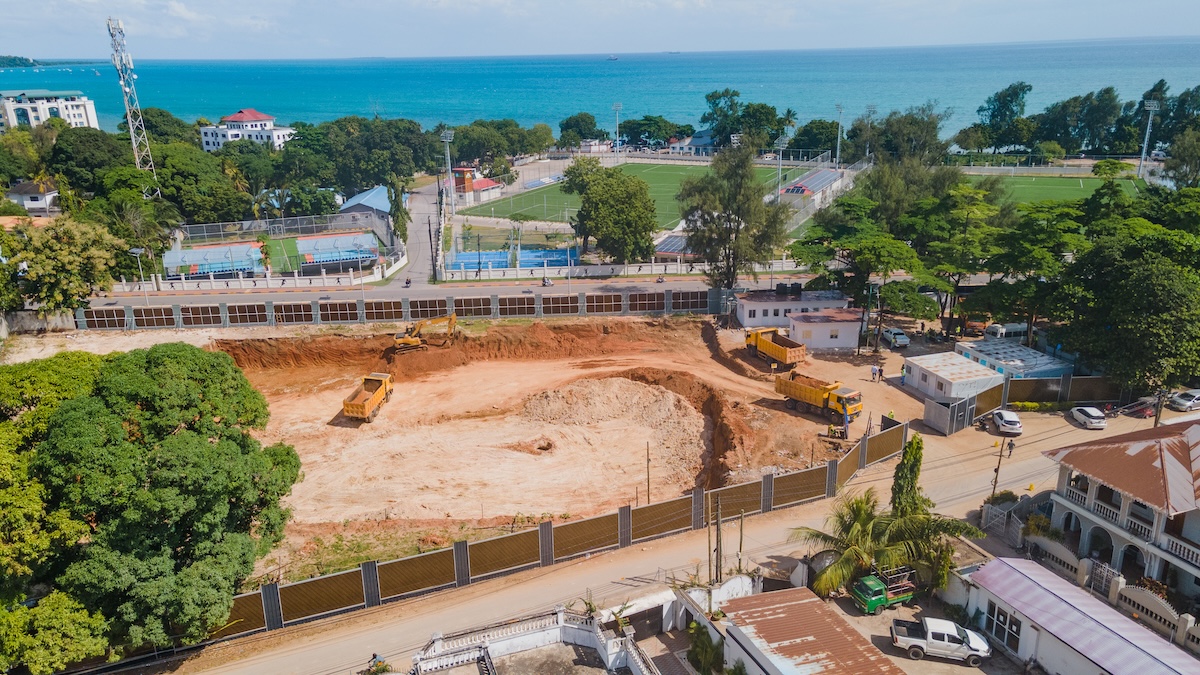
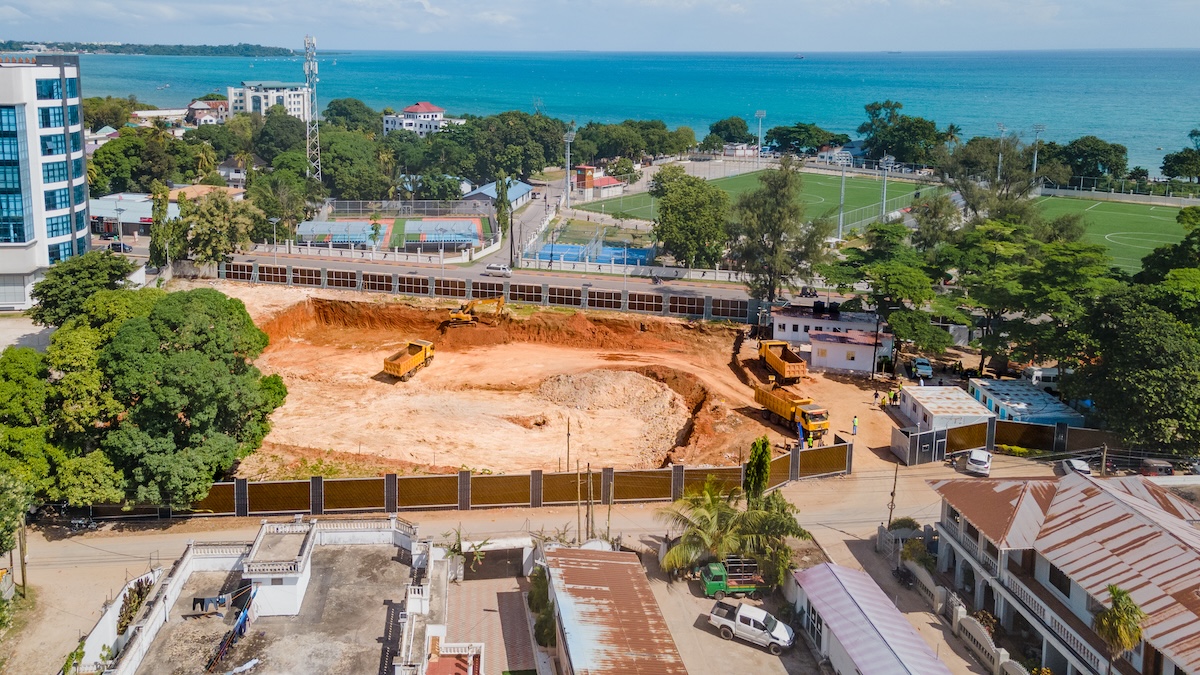
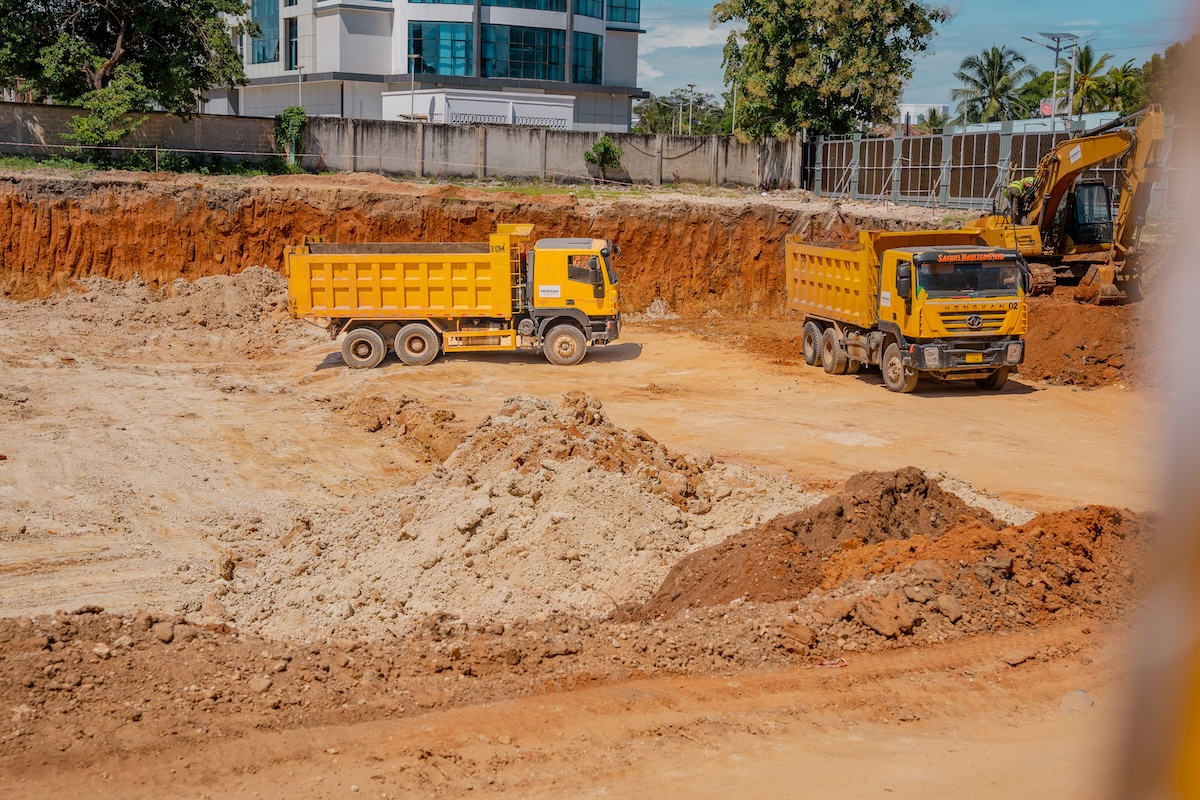
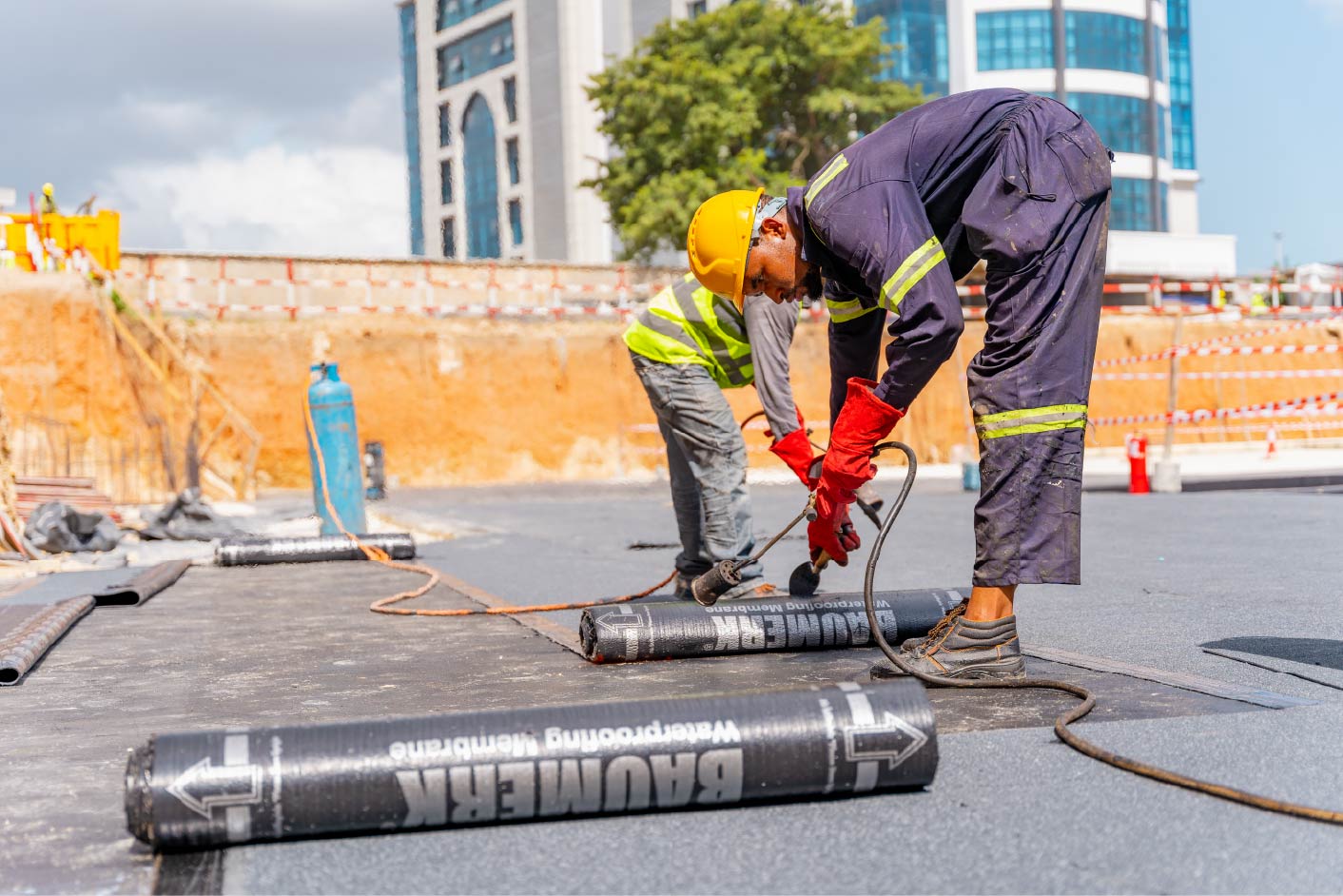
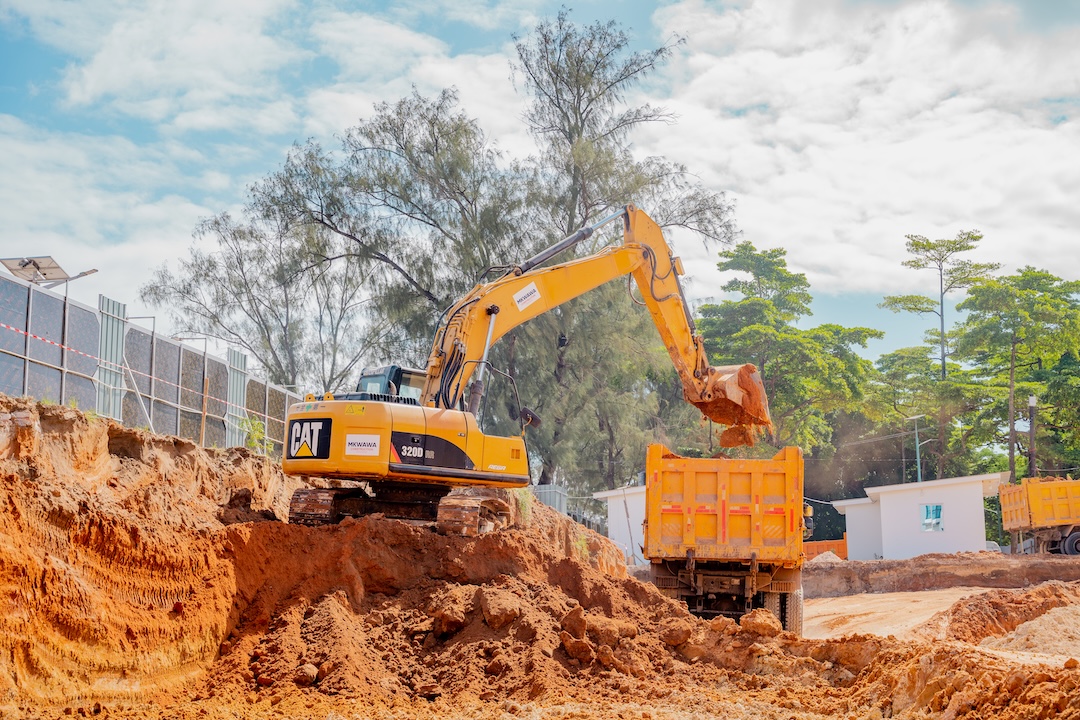
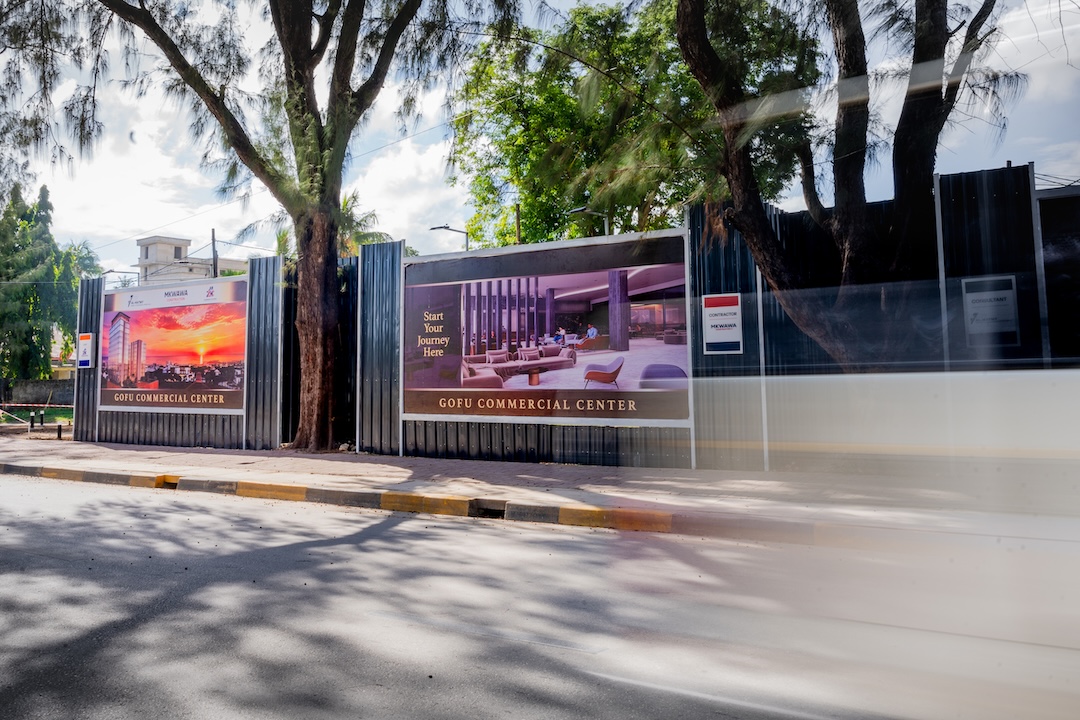
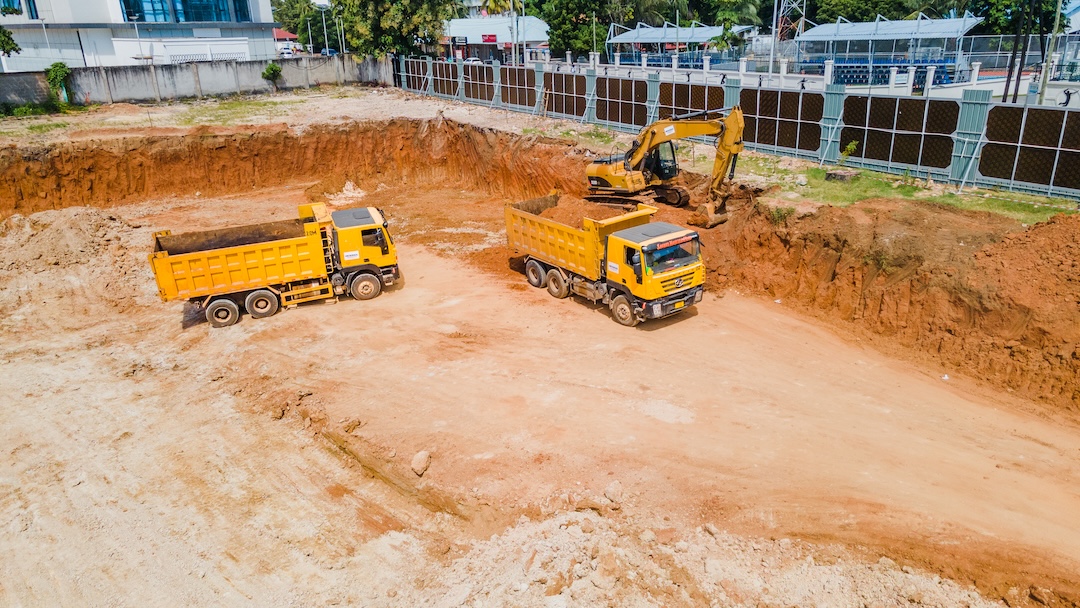
Visual records of the ongoing project site preparations.